Program Overview
Hidden Roots, Future Harvests™ is an ongoing community series presented by Slow Food Prescott exploring the cultural, ecological, and historical roots of food in the Southwest and beyond. Through presentations, conversations, demonstrations, experiential learning, and shared meals, the series connects people to the stories, traditions, and communities that continue to shape how food is grown, prepared, and understood across generations.
Each program honors traditional knowledge while exploring its relevance to today's challenges of climate resilience, food security, sustainable agriculture, and community well-being.
The second chapter of the series, Growing Food in an Arid Land, builds upon the inaugural program featuring Gary Paul Nabhan, which explored the history and culture of agave in the Southwest. This chapter turns to Indigenous agriculture and food traditions, with particular emphasis on Hopi dryland farming, food sovereignty, seed stewardship, resilience, and traditional ecological knowledge.
Together, these first two programs establish the series' central theme: learning from the wisdom of the past to cultivate a more resilient food future.
Rather than simply presenting a lecture, the evening is designed as an immersive community gathering where participants experience the landscape, hear directly from Indigenous knowledge holders, share a meal inspired by Hopi traditions, and engage in meaningful conversation.
The event is in partnership with the Yavapai-Prescott Tribe. During the event, participants will travel from the Yavapai-Prescott Tribe Community Gathering Center to the Community garden for a tour.
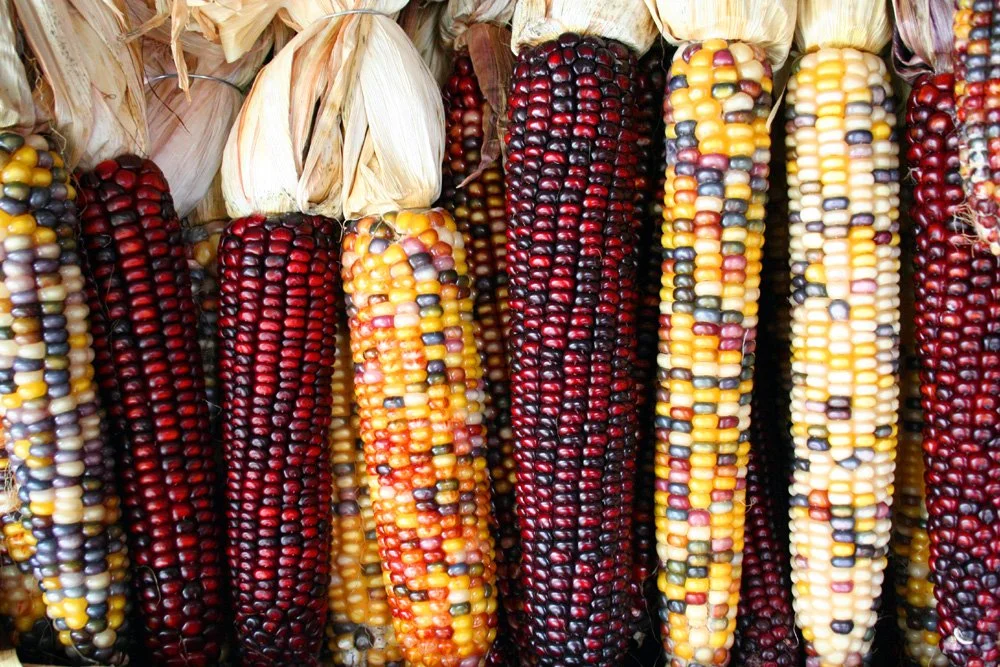
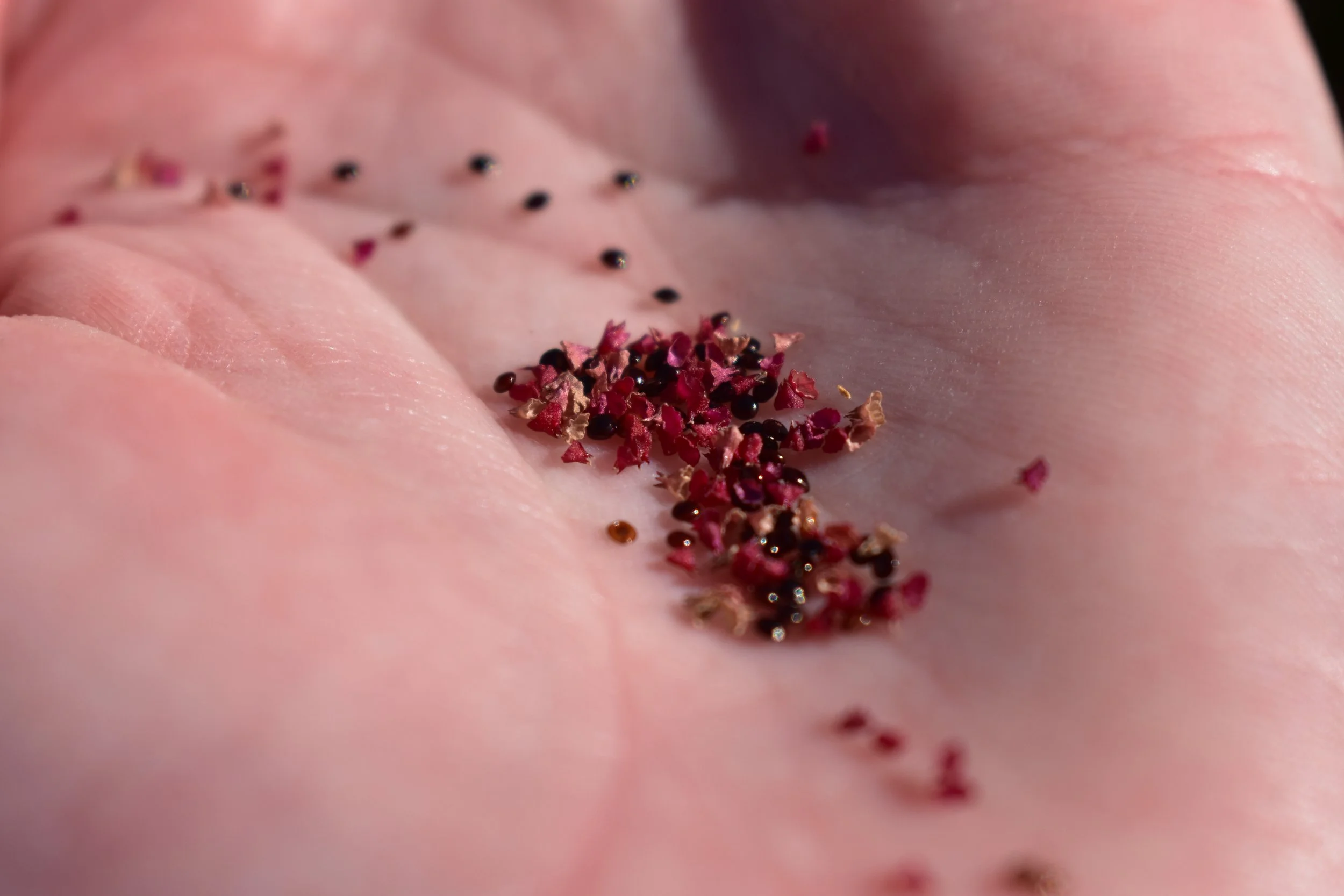
“Corn” by Sam Fentress (CC BY-SA)
Event Schedule
-
Light refreshments, Artwork for sale and Informational Tables
-
See how the Yavapai-Prescott Tribal Community Garden inspired people to grow food together, garden at home, and share their harvests
-
Indigenous agriculture, resilience, seed stewardship, and traditional ecological knowledge
-
Blessing by Yavapai Prescott Indian Tribe Elder, a Hopi-inspired dinner, and continued conversation
The meal serves as the culmination of the evening, creating space for continued conversation, relationship-building, and shared reflection.
Meet the Presenters
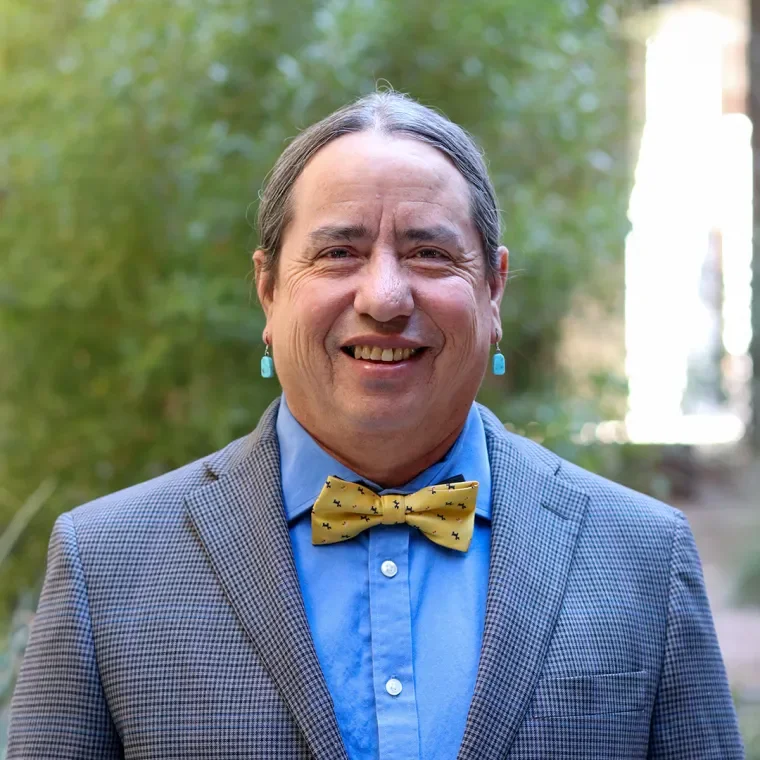
Michael Kotutwa Johnson
Michael Kotutwa Johnson is an Assistant Professor/Extension Specialist of Indigenous Resilience at the University of Arizona’s School of Natural Resources and the Environment and a core faculty member of the Indigenous Resilience Center. Dr. Johnson is a Hopi tribal member and an avid Hopi dryland farmer. His research focuses on Indigenous Land Use Management schemes, such as Indigenous agriculture and the intersections of policy, science, and law.
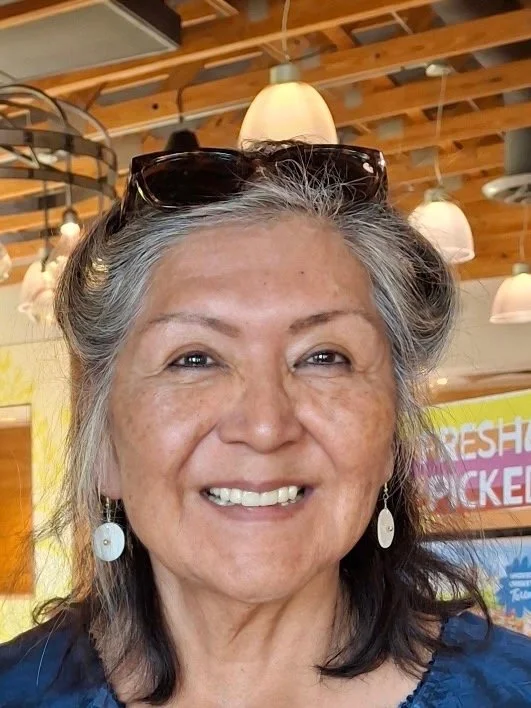
Violet Mitchell-Enos
Violet is an enrolled member of the Yavapai-Prescott Indian Tribe. Her father was Yavapai, and her mother was Maricopa from the Gila River Indian Community. Violet’s work has been with tribes and tribal communities focused on human services. She returned to her home community following her husband's death and became interested in rebuilding a Community garden to improve the health of her community (family).
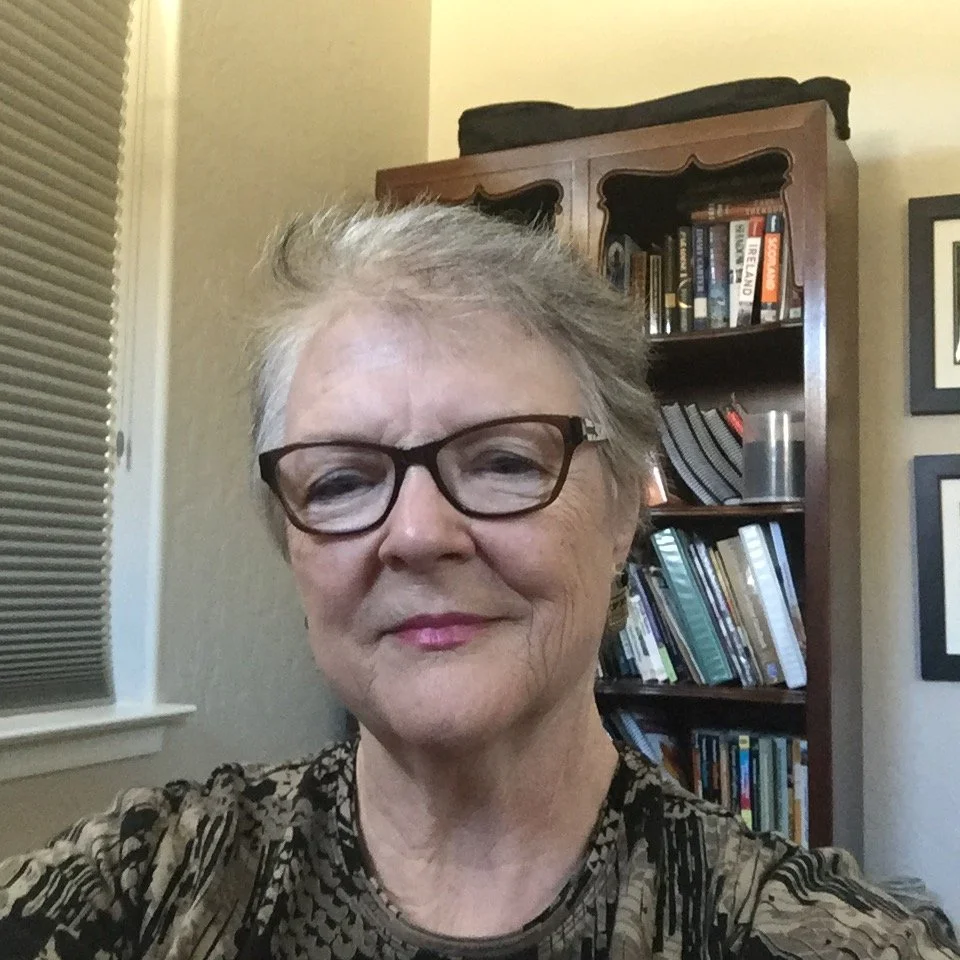
Marion Johnston
Marion is originally from the great state of Oklahoma and is a citizen of the Cherokee Nation. The Cherokee were known for their gardening skills, and Marion continued that interest by becoming a Master Gardener in both Maricopa and Yavapai County. She proudly mentored Violet Mitchell-Enos as a Master Gardener, and together, they started a community garden on the Yavapai Reservation in Prescott. Marion holds a BS and an MA from Michigan State, has had a long career in restaurant management, was an Assistant Professor at ASU, and has been a Registered Investment Advisor for 35 years.
Meet the Artist
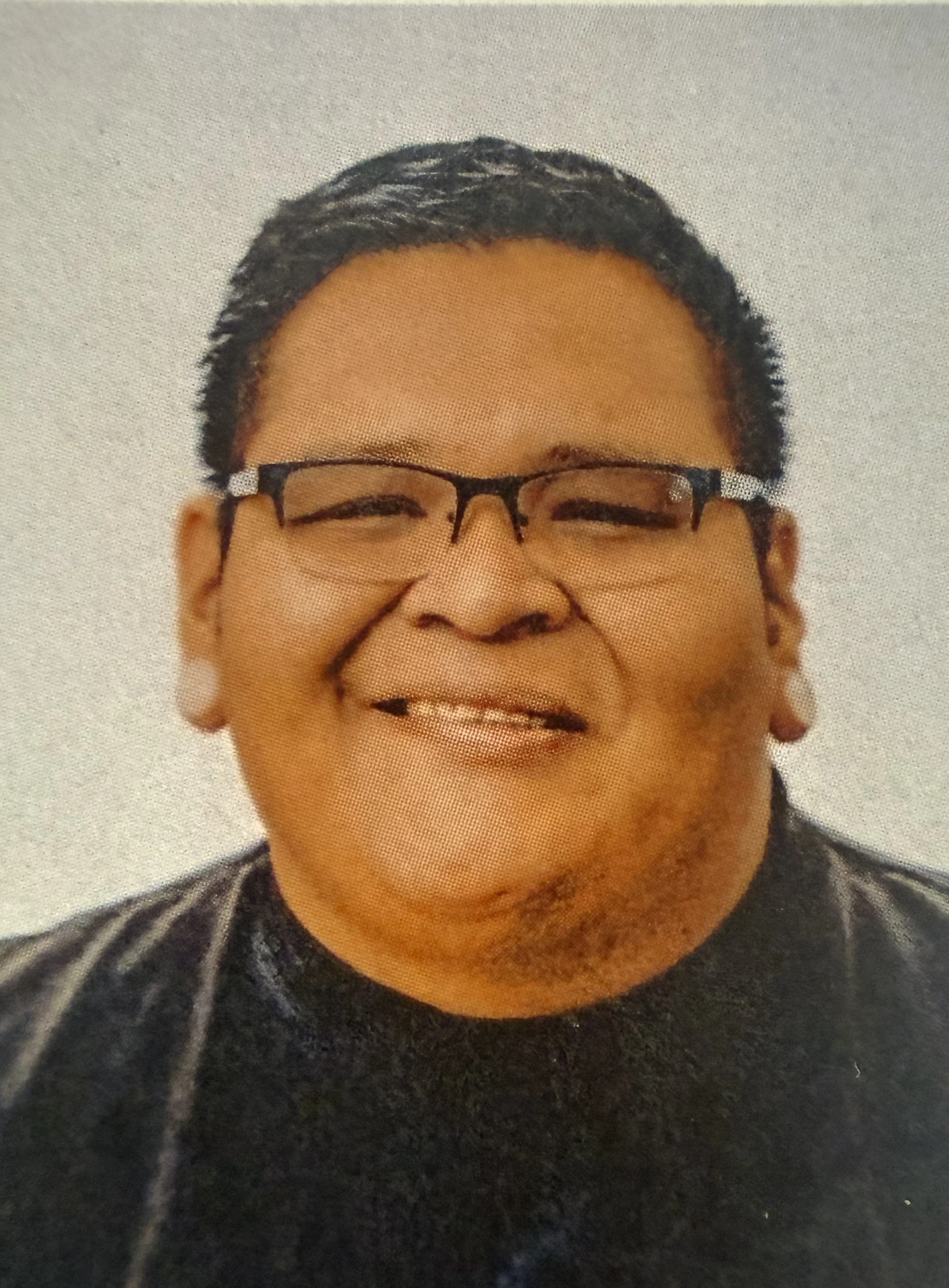
Abel Nash
Abel Nash is a corn clan member of Walpi Village on First Mesa. Born in 1982 in Keams Canyon on the Hopi reservation, he's a third-generation artist. His father Troy Nash and grandfather Tino Youvella taught him to carve, while his great-grandmother Bessie Namoki and grandmother Sandra Dewangyumptewa passed on their knowledge of pottery designs and meanings. His great-uncle Dalton Namoki was a big influence on his drawing and painting. Abel drew and painted as a kid and started carving around junior high. After high school, he worked at the Hopi Radio Station for four years, then decided to pursue culinary arts and earned his bachelor's degree from Le Cordon Bleu in Scottsdale. He kept carving and selling kachina dolls to local shops, galleries, and the Heard Museum throughout his time in school. Once he started working in Scottsdale restaurants, though, he went back to painting and drawing for 14 years until moving back to Hopi. Since moving home, Abel has sold his artwork full-time from Walpi, working alongside his cousins and uncles. He's developed his own style over time. His paintings and drawings mostly reinterpret pottery designs, things like clan symbols, plants, animals, and insects, along with clouds, prayer feathers, and symbols for life, good health, and moisture. He works in watercolor, acrylic, and aerosol paint to create both traditional and contemporary pieces. Abel loves trying new things and is always experimenting. He's painted on vinyl records, plastic platters, and skateboard decks, hoping to show that traditional designs and symbols can take modern, contemporary forms while still helping preserve Hopi tradition and culture.
Questions and Answers
-
Please arrive at the Yavapai-Prescott Tribe Community Gathering Center (530 E Merritt St) between 4 and 4:30pm.
-
A Hopi tradition-inspired dinner was developed in collaboration with the presenters and community partners:
Pikami — Hopi hush puppies w/blue corn
Noqkwivi — Traditional hominy & mutton stew
Nuvaviki or Navawnova — Squash & fresh corn casserole (Vegan)
Patantupe — Baked pumpkin w/butternut squash
Pikami — Corn pudding
Hohoysi — Greenthread tea
-
Yavapai-Prescott Indian Tribal members: Free
Students and Teachers: $15
Slow Food Members: $25
General Admission: $50