September 11, 2026
Event Recap:
Growing Food in an Arid Land
Summary
❋ Comprehensive CurriculumModules are sequenced to build competencies progressively, ensuring concepts are retained and applied with confidence.
❋ Facilitator Expertise Presenters employ evidence-based techniques, pairing theory with real-world case studies for immediate relevance.
❋ Premium MaterialsWorkbooks, templates, and analytic tools are structured for quick integration into daily workflows.
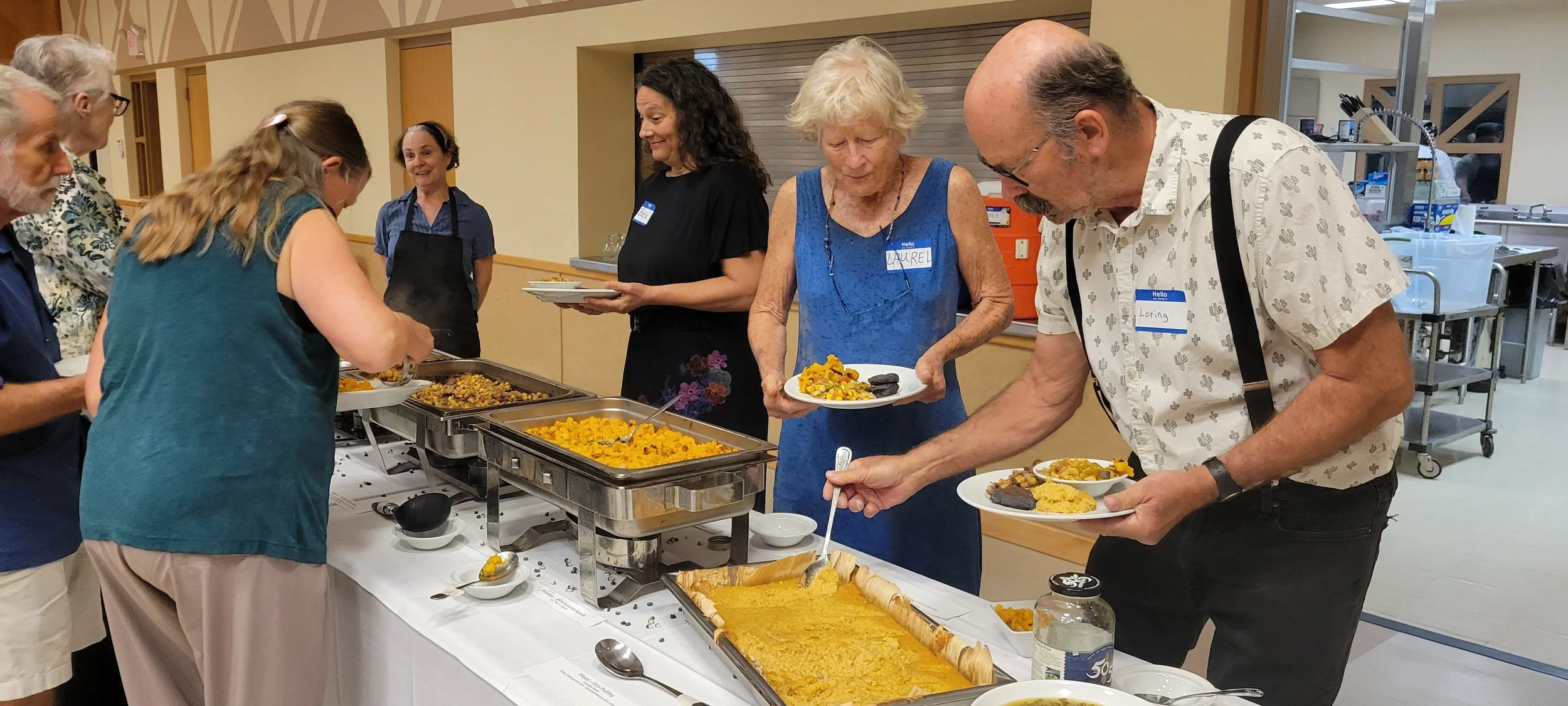
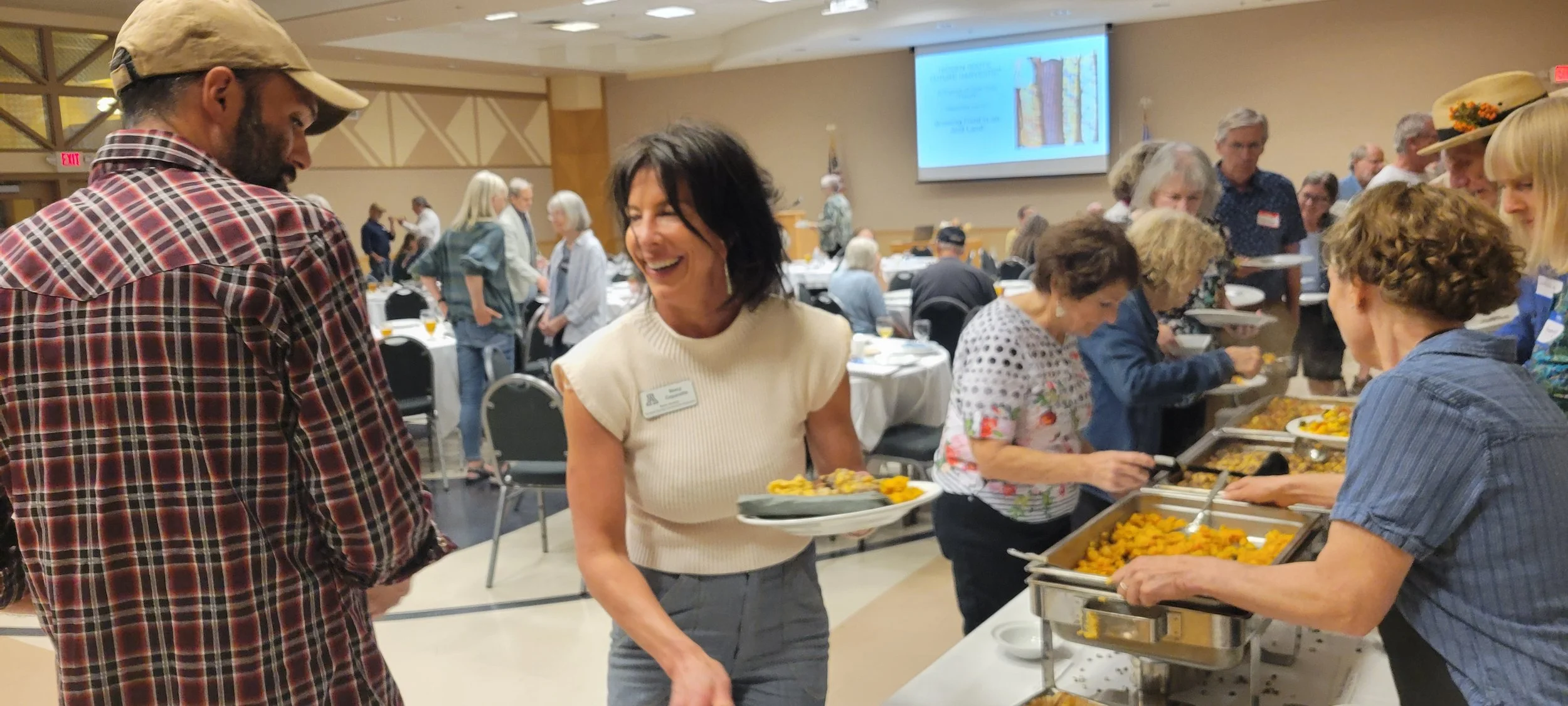
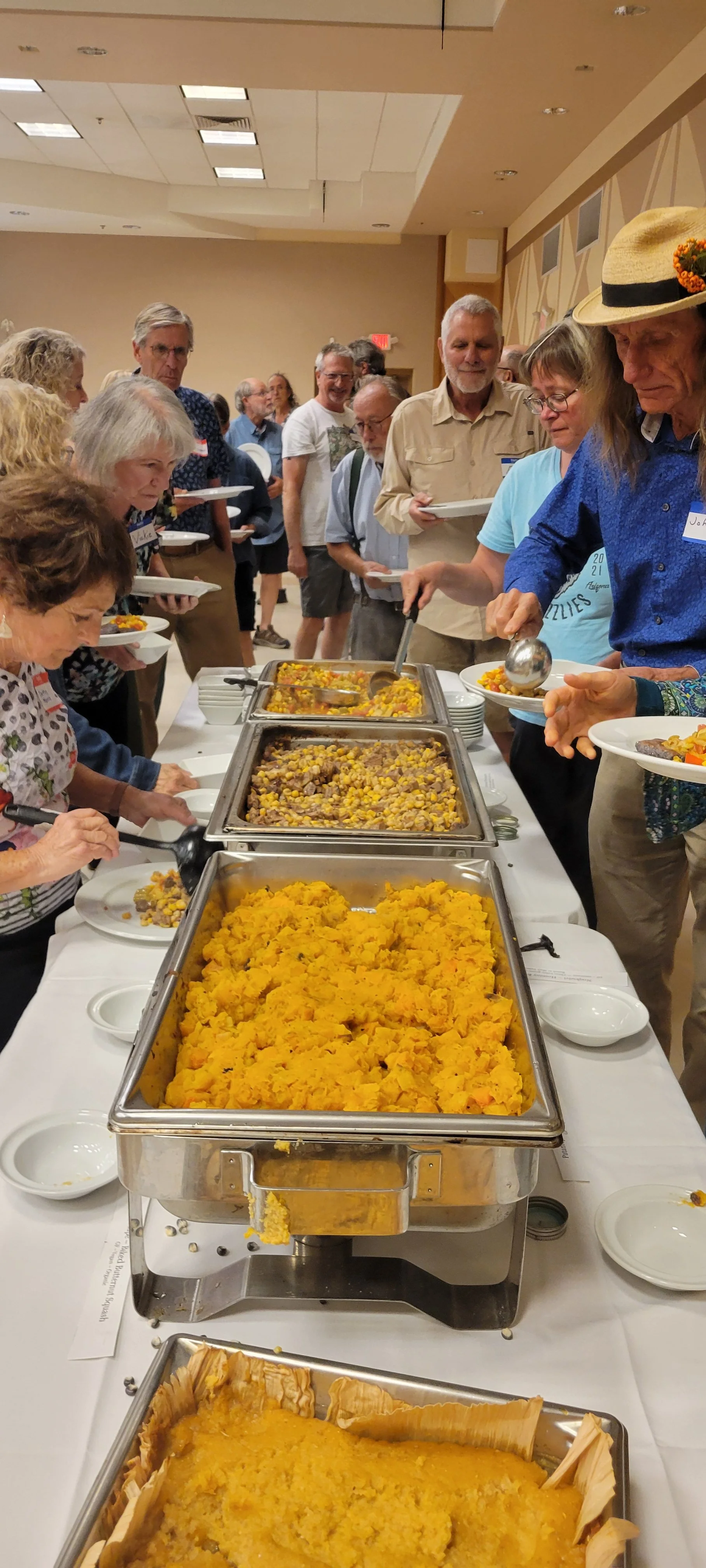
❋ Nutrient-Focused CateringMeals feature balanced macronutrients, locally sourced produce, and allergen-conscious options.
Speakers
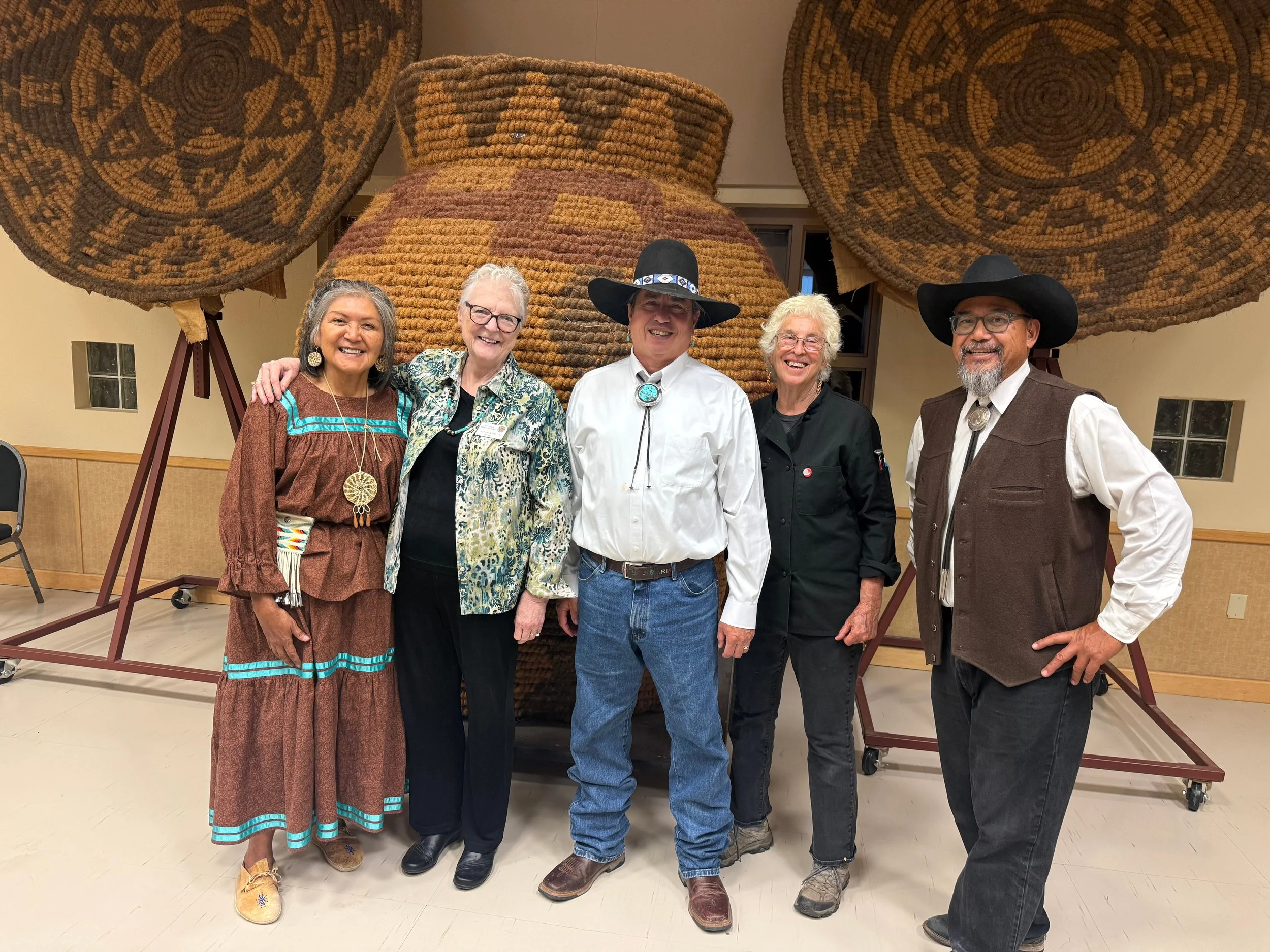
Left to Right: Violet Mitchell-Enos, Marion Johnston, Michael Kotutwa Johnson, Chef Molly Beverly, Earl Duque
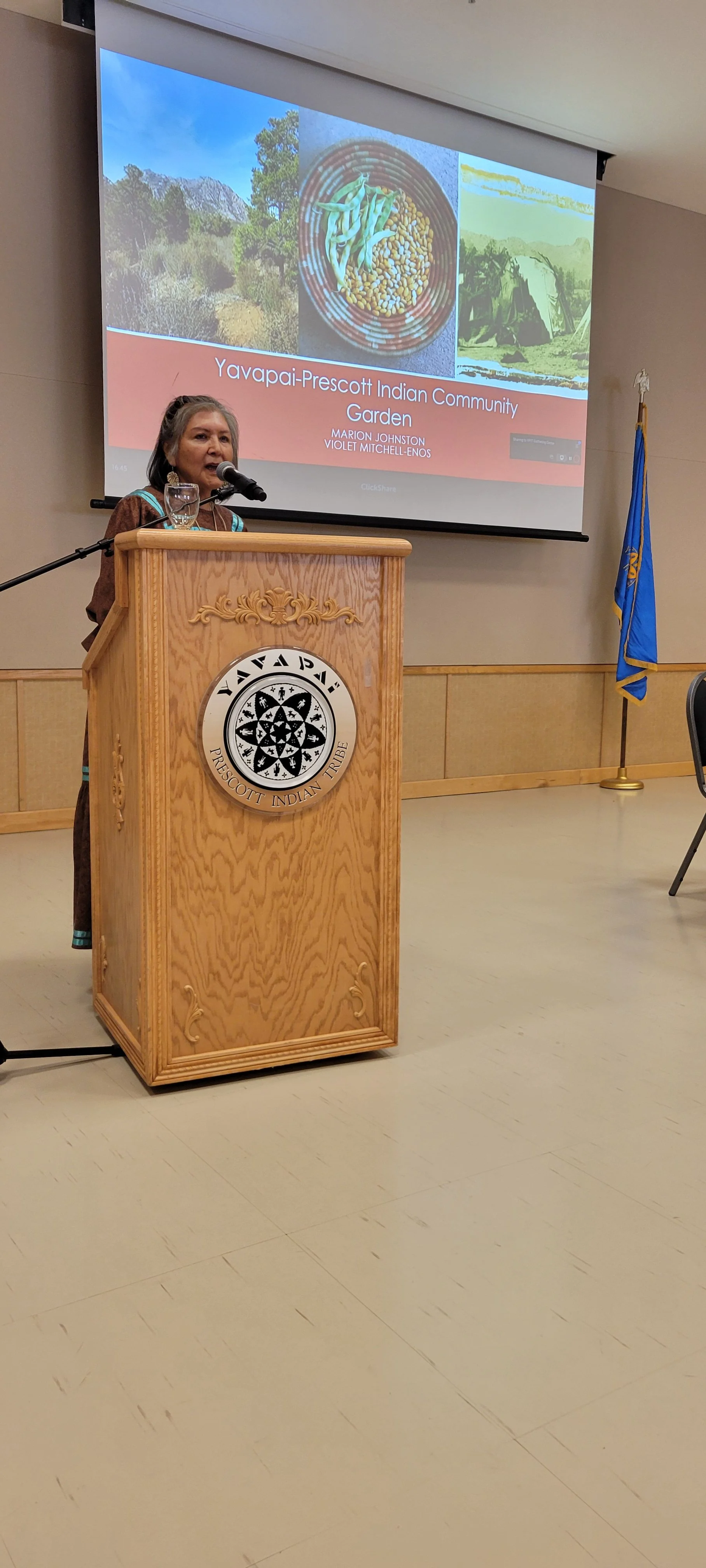
Violet Mitchell-Enos talking about the YPIT Community Garden
Earl Duque of Delicious Earth Farm rooted us in the approaching evening of the Arid Land event with a poem by the late farmer-writer Wendell Berry.
I was born in a drought year. That summer
my mother waited in the house, enclosed
in the sun and the dry ceaseless wind,
for the men to come back in the evenings,
bringing water from a distant spring.
veins of leaves ran dry, roots shrank.
And all my life I have dreaded the return
of that year, sure that it still is
somewhere, like a dead enemy’s soul.
Fear of dust in my mouth is always with me,
and I am the faithful husband of the rain,
I love the water of wells and springs
and the taste of roofs in the water of cisterns.
I am a dry man whose thirst is praise
of clouds, and whose mind is something of a cup.
My sweetness is to wake in the night
after days of dry heat, hearing the rain.
Then, Violet Mitchell-Enos of the Yavapai-Prescott Indian Tribe and Marion Johnston (Cherokee) started the evening of talks on the importance of food as medicine and its cultural significance. They spoke of how their ancestors were much more aware of where their food came from, how to grow, forage, and hunt for it, and of food’s medicinal properties than current generations are. The community garden, started by Marion and Violet, has become a place to rekindle the relationship between food and youth, as well as between youth and their elders. It is a place of storytelling, of working with and touching the soil of their ancestors, and a haven to disconnect from the modern business and technology of the world: a place of stillness.
The final talk was a keynote address given by Michael Kotutwa Johnson, a “250th-generation Hopi farmer.” Michael talked about the Indigenous Ecological Knowledge, or what he calls “whatever my grandfather taught me,” about food systems and the lessons needed today to shift the systems toward sustainability.
Michael Kotutwa Johnson providing the keynote address.
Tablers & Artist
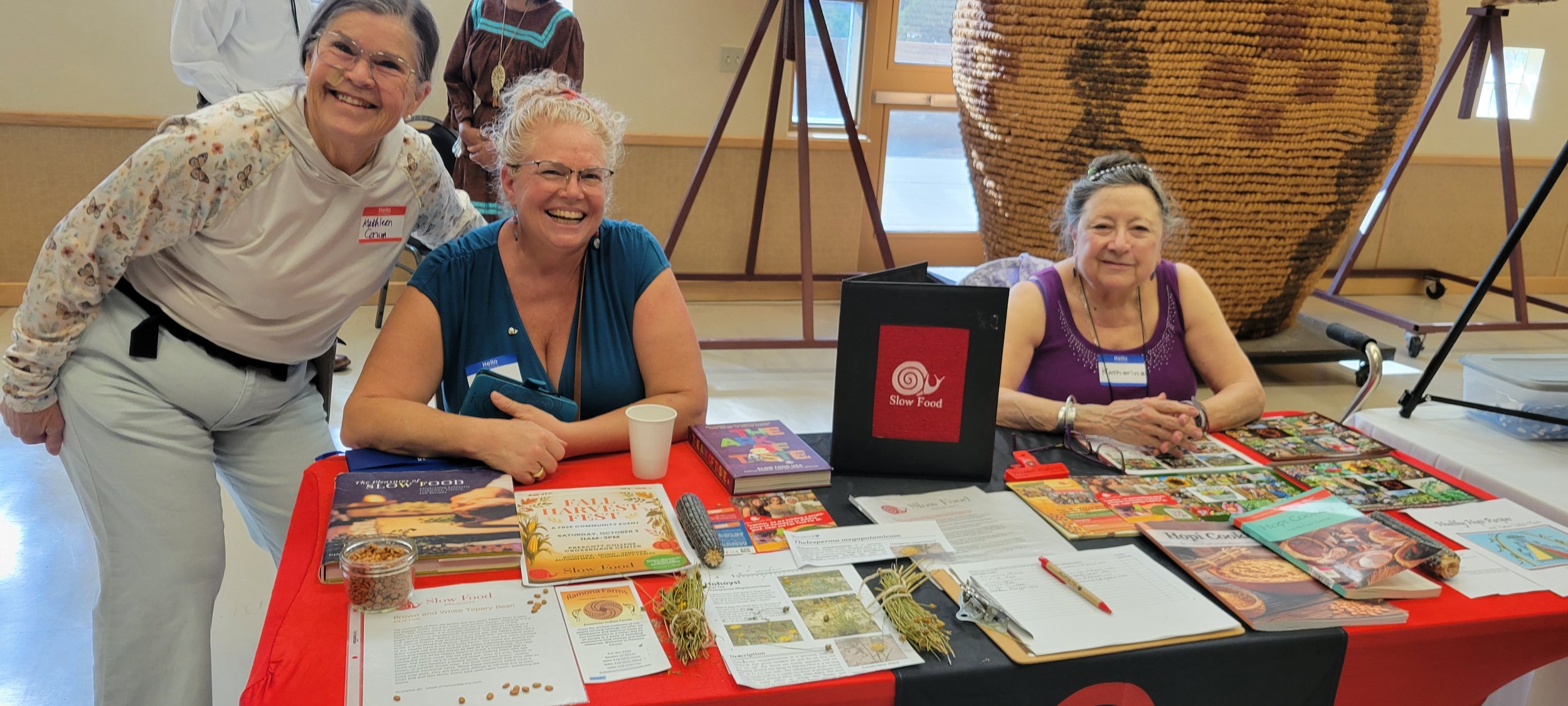
Slow Food Prescott
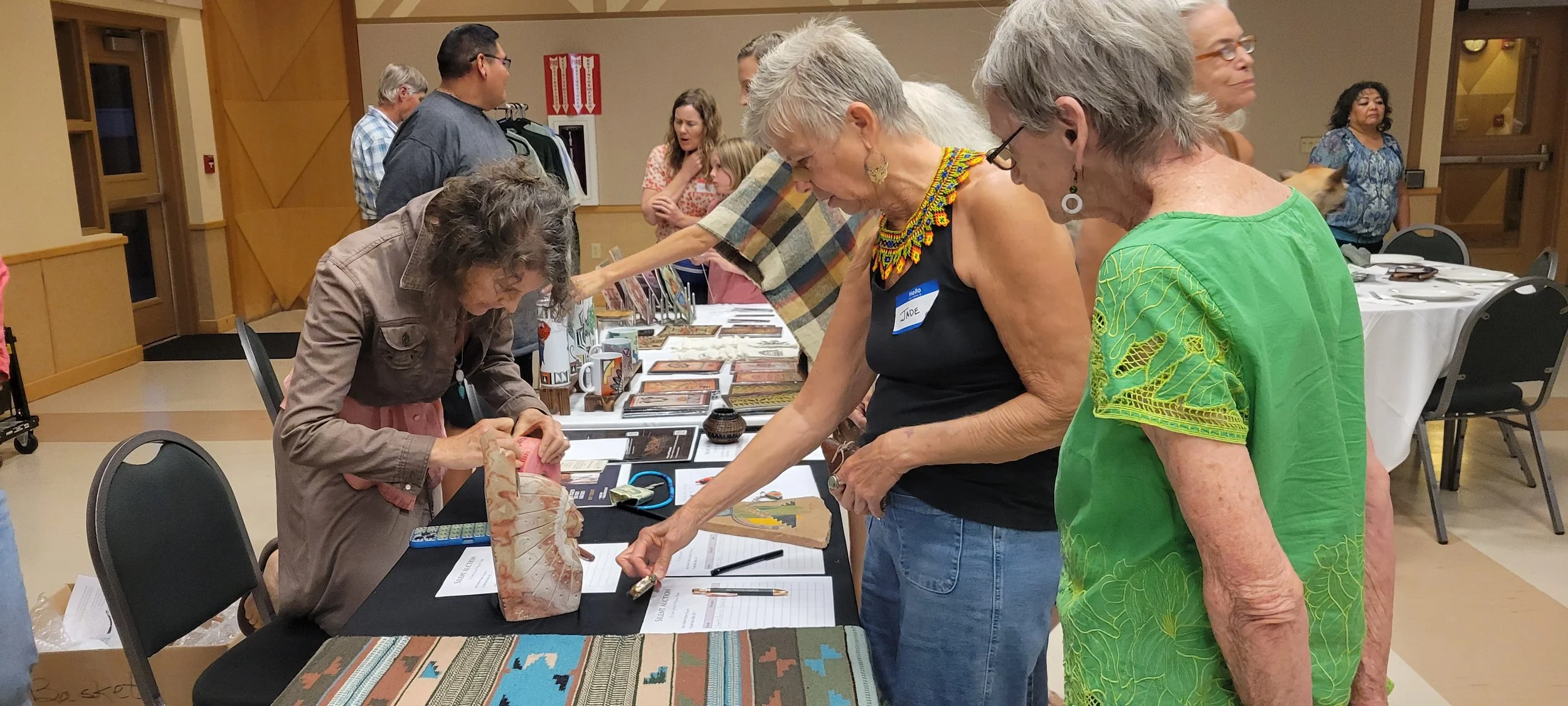
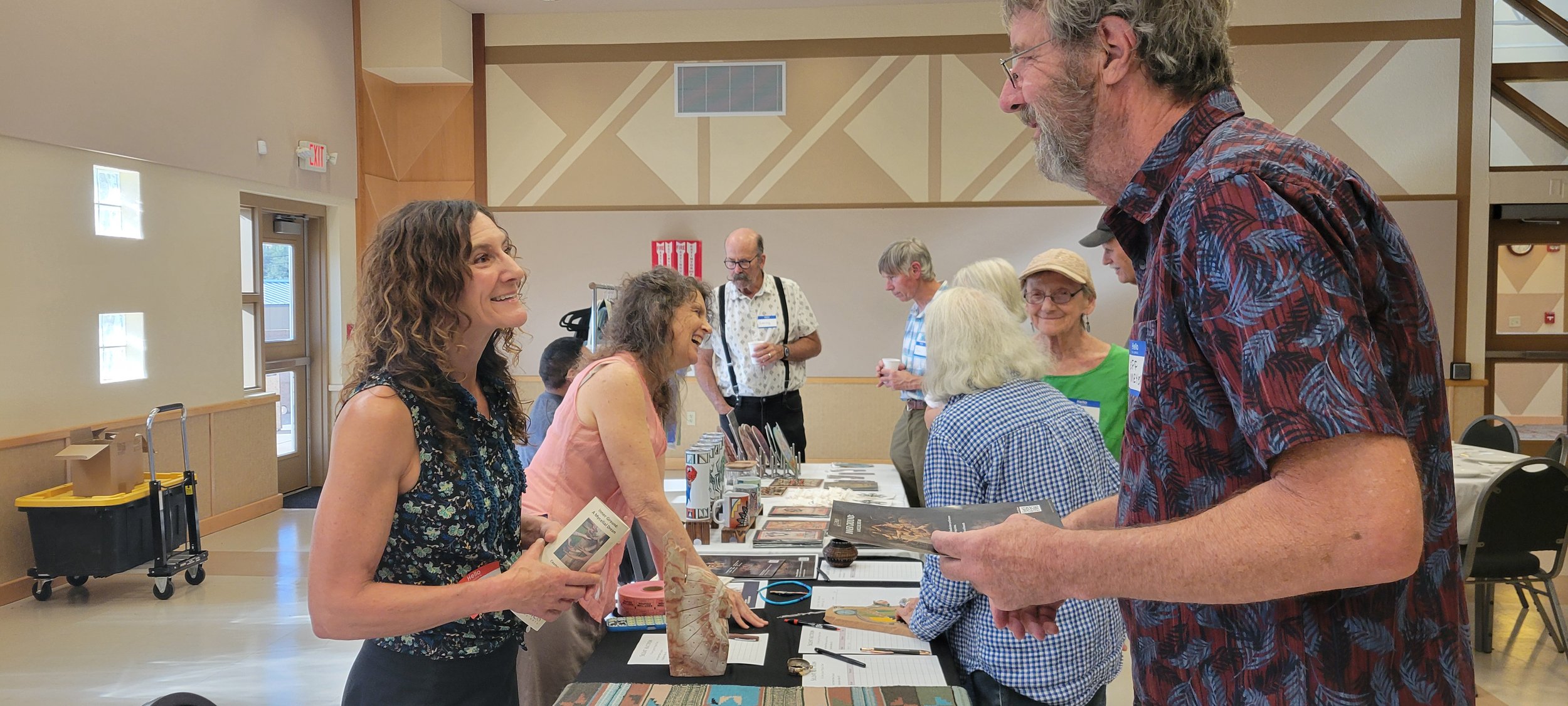
Inner Ground: A Mycelial Dream
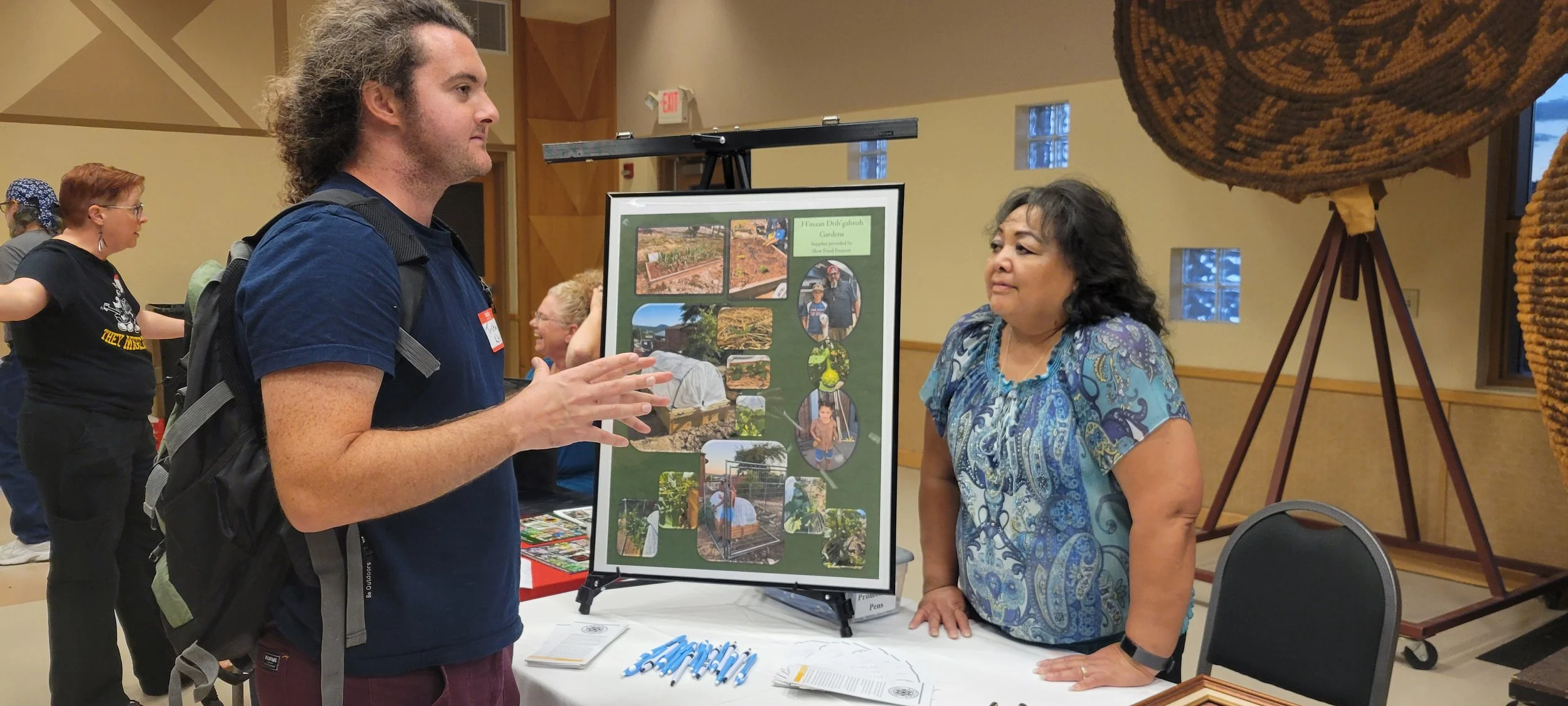
Yavapai-Prescott Community Garden
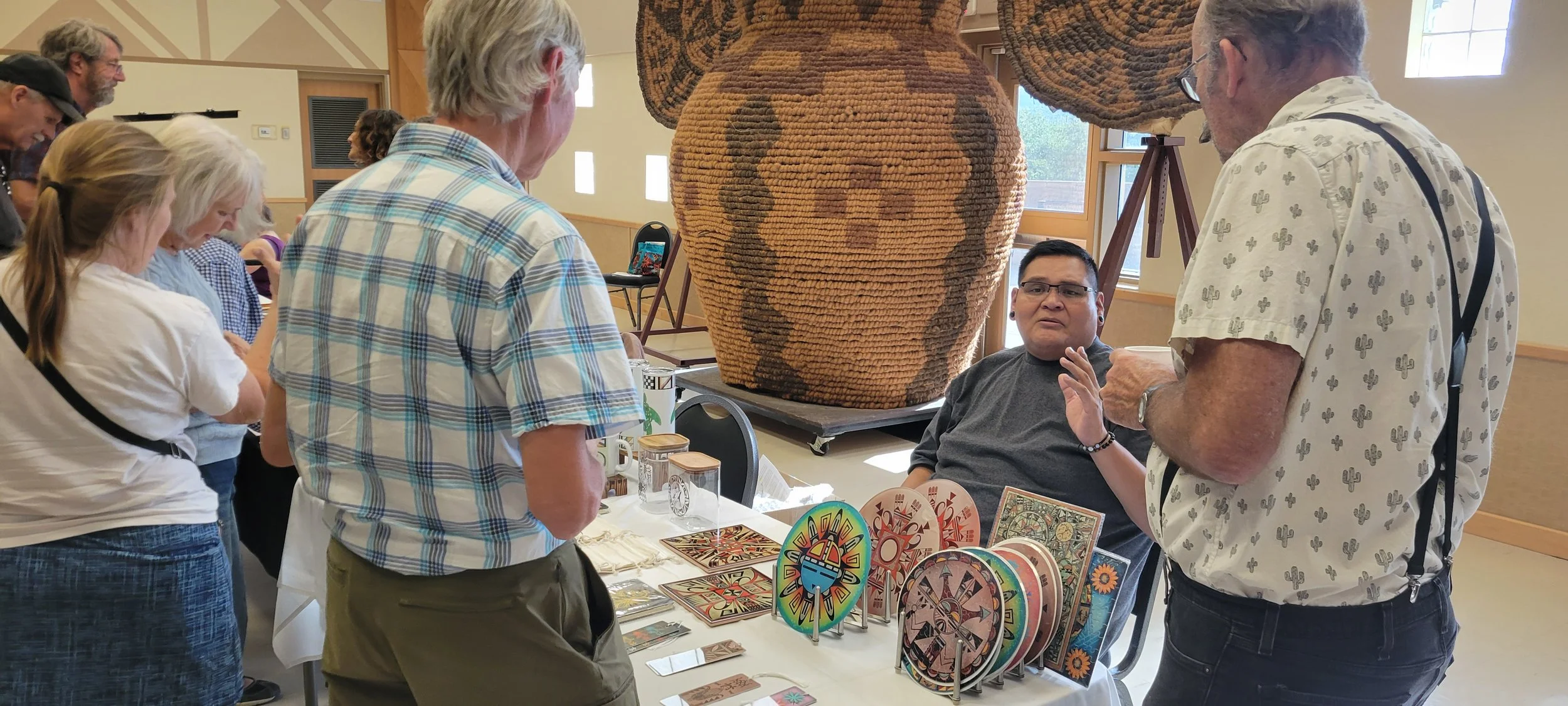
Abel Nash: 3rd generation Hopi Artist
Food & Recipes
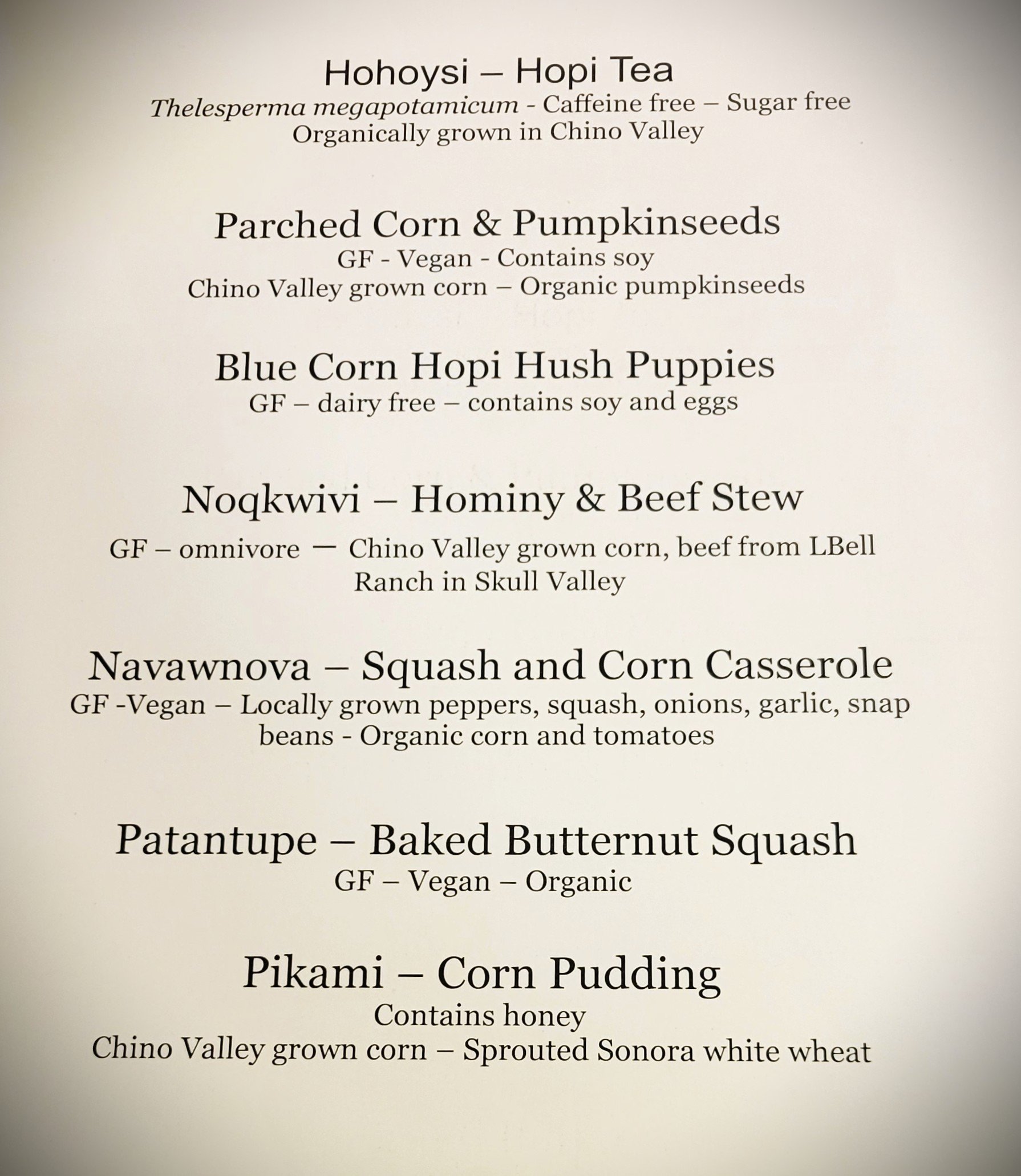
[Makes about 12]
2 cups blue cornmeal
½ teaspoon salt
2 teaspoons baking powder
3 eggs
1/2 cup vegetable oil
1 cup milk
1 small onion, finely chopped
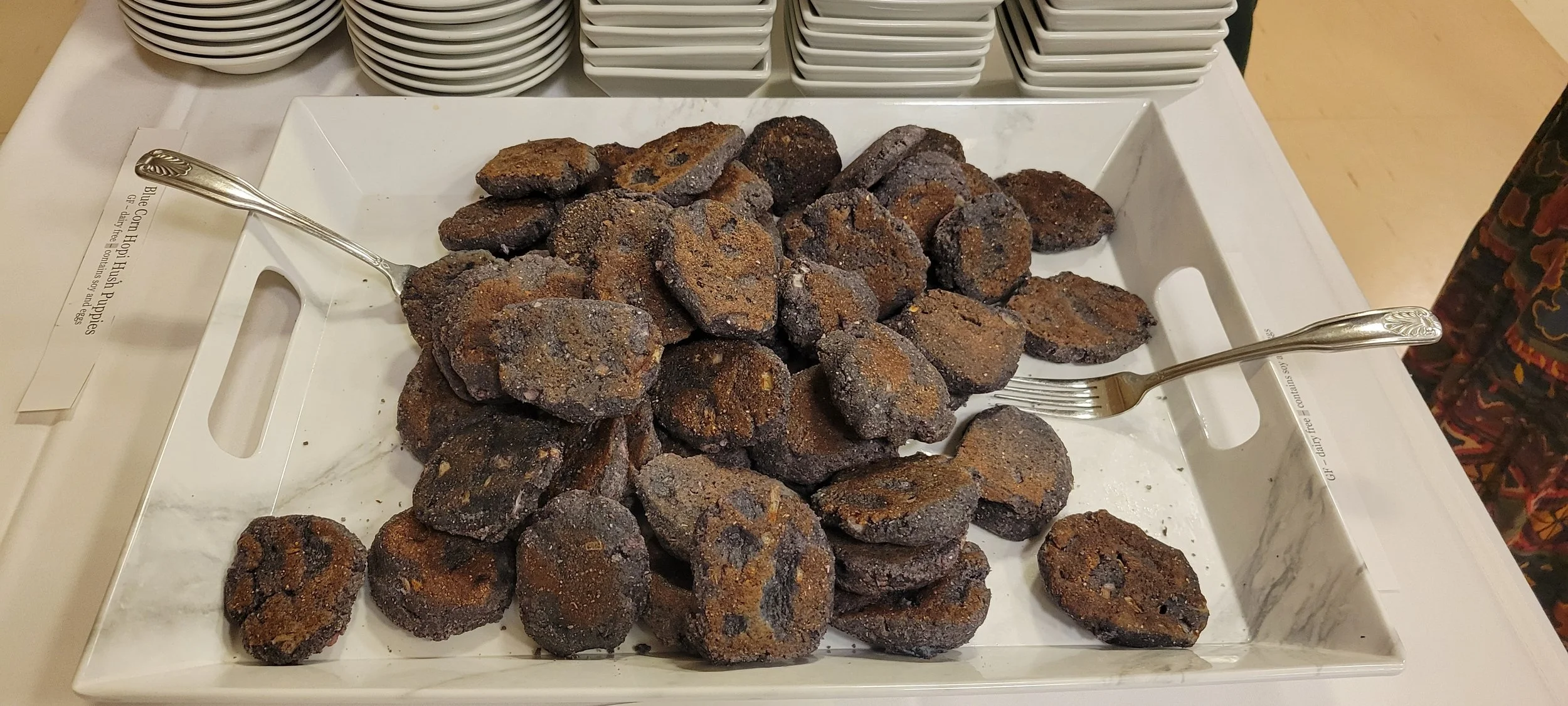
Mix cornmeal, salt, and baking powder. Beat together eggs, oil, and milk, and add chopped onion. Mix to the consistency of tortilla dough, adding more flour or milk as needed. Scoop and pat into small flat rounds. Pan fry until golden brown on both sides. Serve warm.
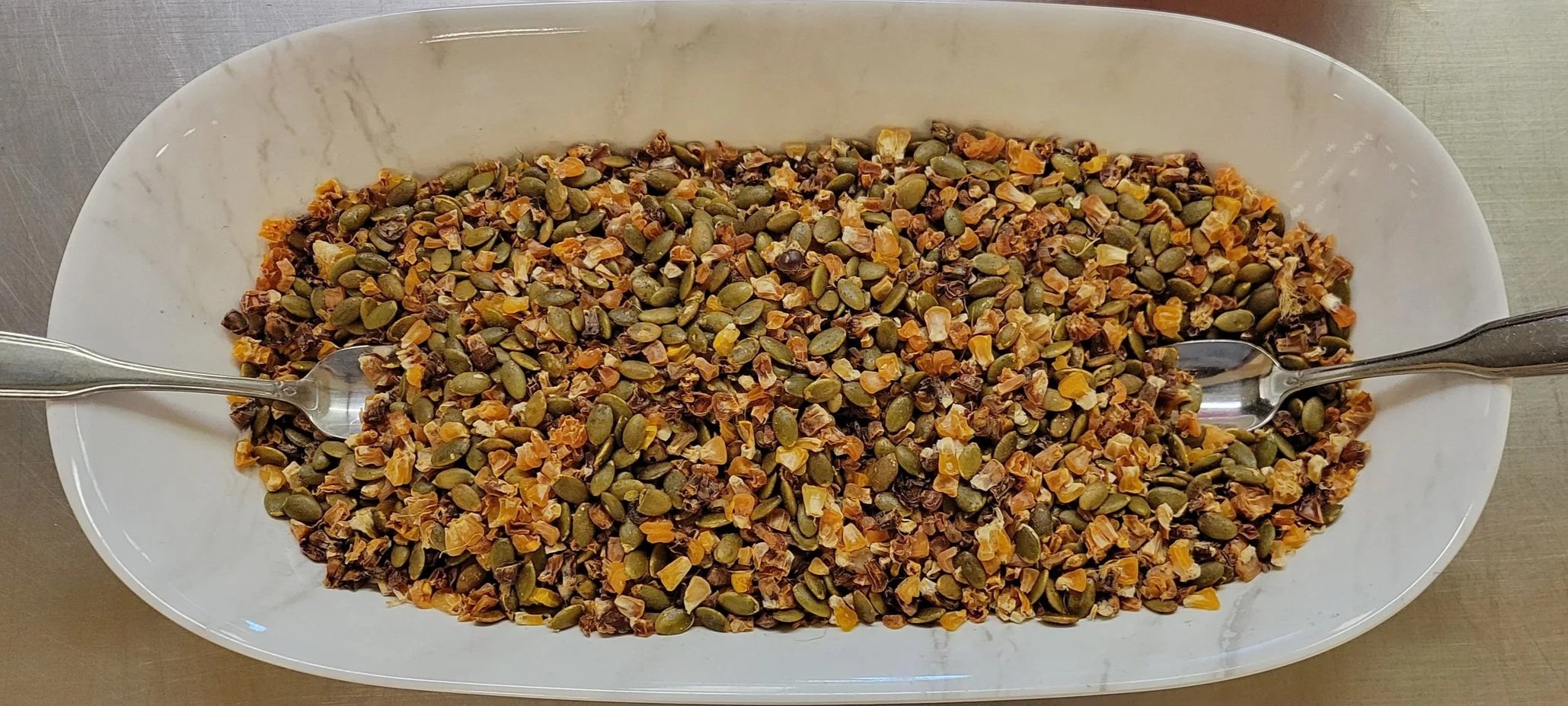
Noqkwivi - Beef and Hominy Stew (Total cooking time: About 6 hours)
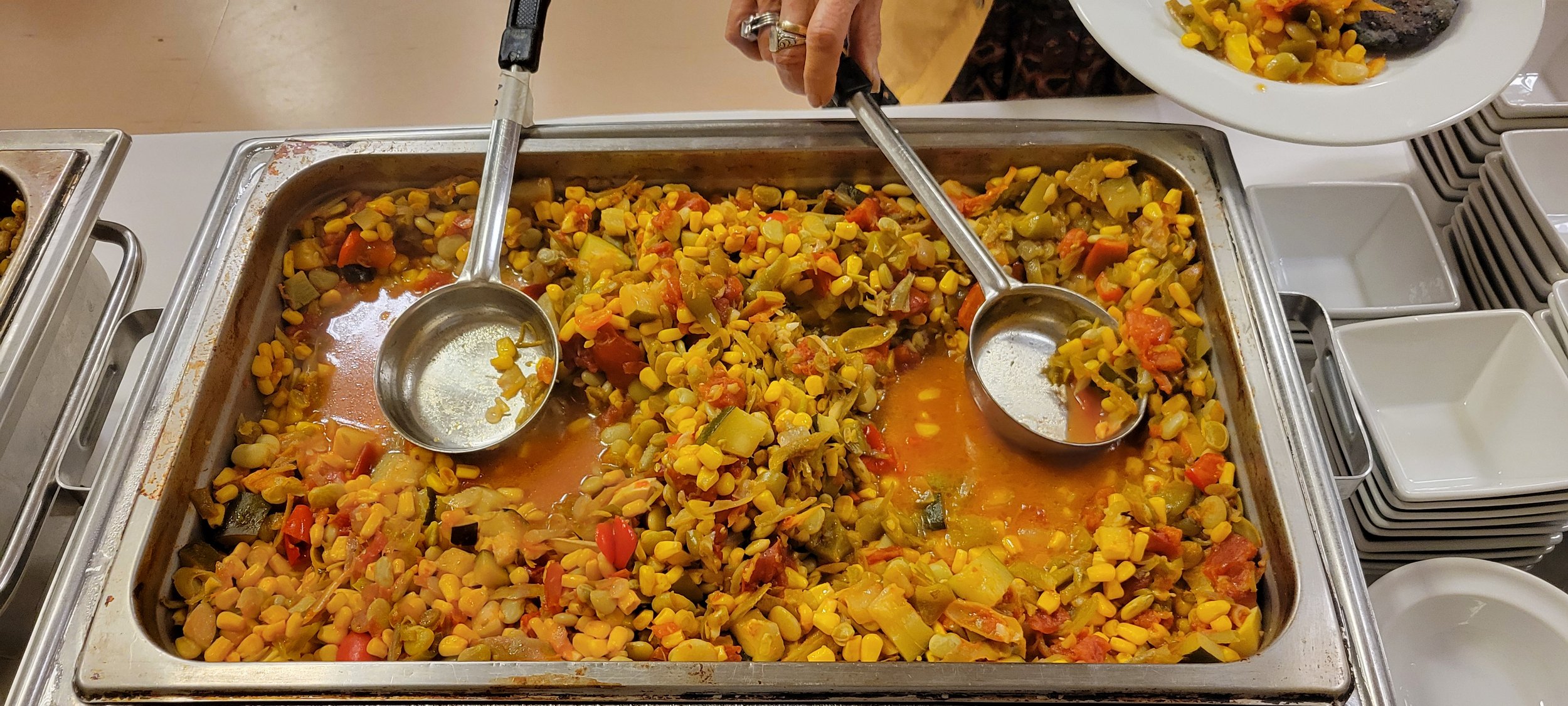
[Yields about 15 cups]
3 cups dried yellow dent corn
2 tablespoons cal
Water to cover corn twice its depth
2.69 pounds beef short ribs
¼ pound yellow onion, coarsely chopped
20 cups water
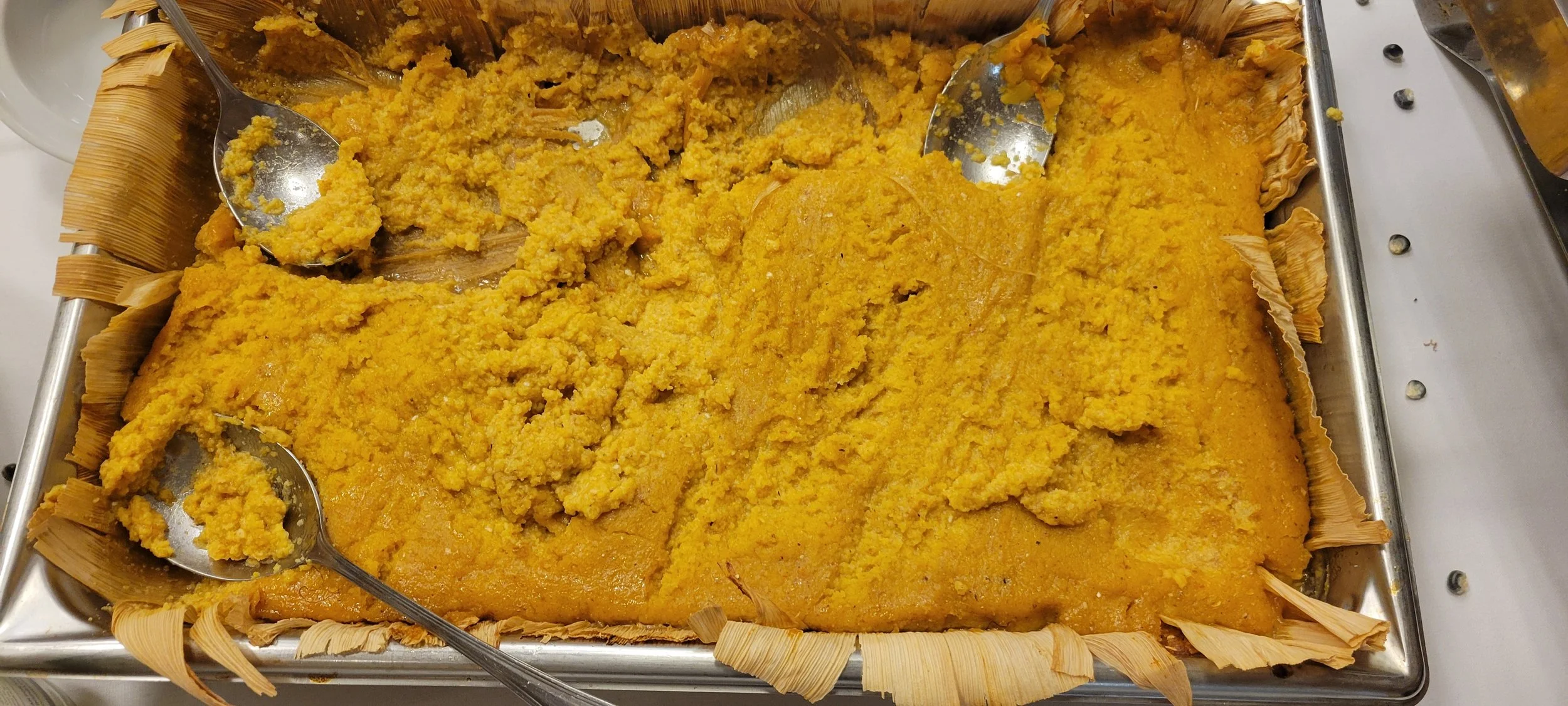
Cover corn with water to twice its depth. Add cal, boil 20 minutes, then soak overnight. Rinse the corn repeatedly until the water runs clear. This produces about 4 cups of nixtamal hominy. Brown the short ribs. Add the onion and sauté briefly. Add 20 cups of water. Boil and skim for about 1 hour, until the water reduces to approximately the level of the meat. Add the 4 cups of hominy. Cover and simmer very low. When the meat falls from the bones, remove the bones and break up the meat and fat. Partially uncover during the second half of cooking to reduce the broth. Cook for about 6 hours total. Season with salt and serve hot. Salt to taste.
Blue Corn Hopi Hush Puppies (Inspiration from Healthy Hopi Recipes)